
Why I Started With Retired Olympians — And Why That's Still Our Blueprint Today
When I got my start as an agent, I didn't have a single client. Not one.
So I started where nobody else was really looking: retired Olympians. I was booking them for paid speaking gigs, the occasional brand photo shoot, and generally helping them figure out life after competition — because "what do I do now" is a real problem when your entire adult life has been built around one event every four years. A lot of that work actually turned into helping them rebrand and build new businesses: something that could earn them an income that didn't depend on how fast they swam or how high they jumped.
The Early Wins
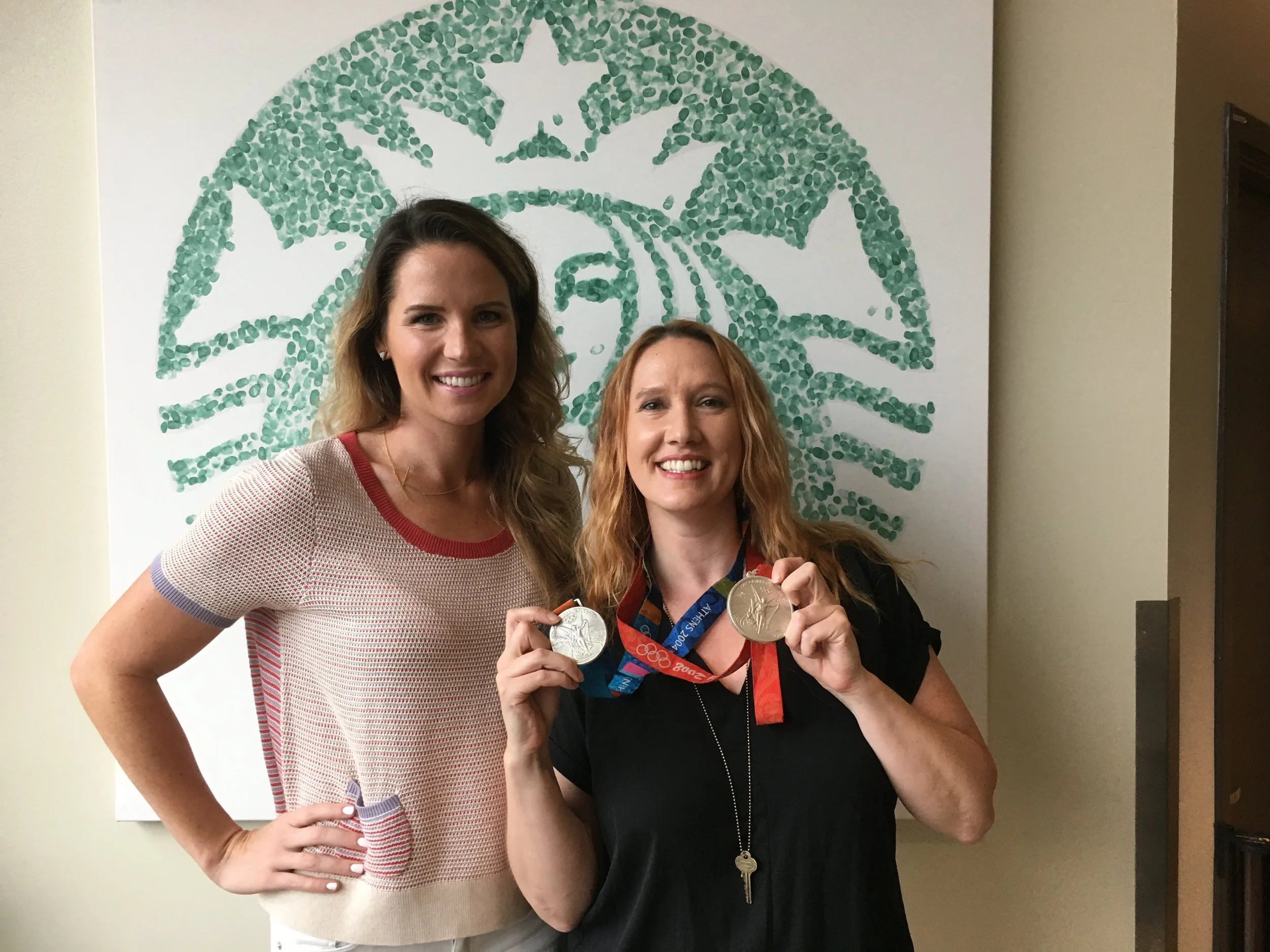
We had some wins early on that I'm still proud of — speaking gigs at Starbucks HQ and Comcast, a deal with UGG, and a handful of new business ventures we helped stand up from scratch for athletes who were ready for their next chapter but didn't know where to start.
And here's the part that actually built the company: active athletes started noticing. They'd see a retired teammate landing these deals and think, "Wait, how is she getting all this, and I'm not getting anything?" That's genuinely how I signed my first active Olympic and Paralympic clients — not a cold pitch, just the reputation our legacy athletes were building for us. Word of mouth, built entirely on the quality of work we were doing for athletes most agencies had already stopped paying attention to.
The Lesson: A Strong Legacy Roster Opens Doors Nothing Else Can
What I learned from that early stretch is something I still believe is one of our biggest advantages: a strong roster of legends and legacy athletes opens doors that an active-athletes-only roster simply can't.
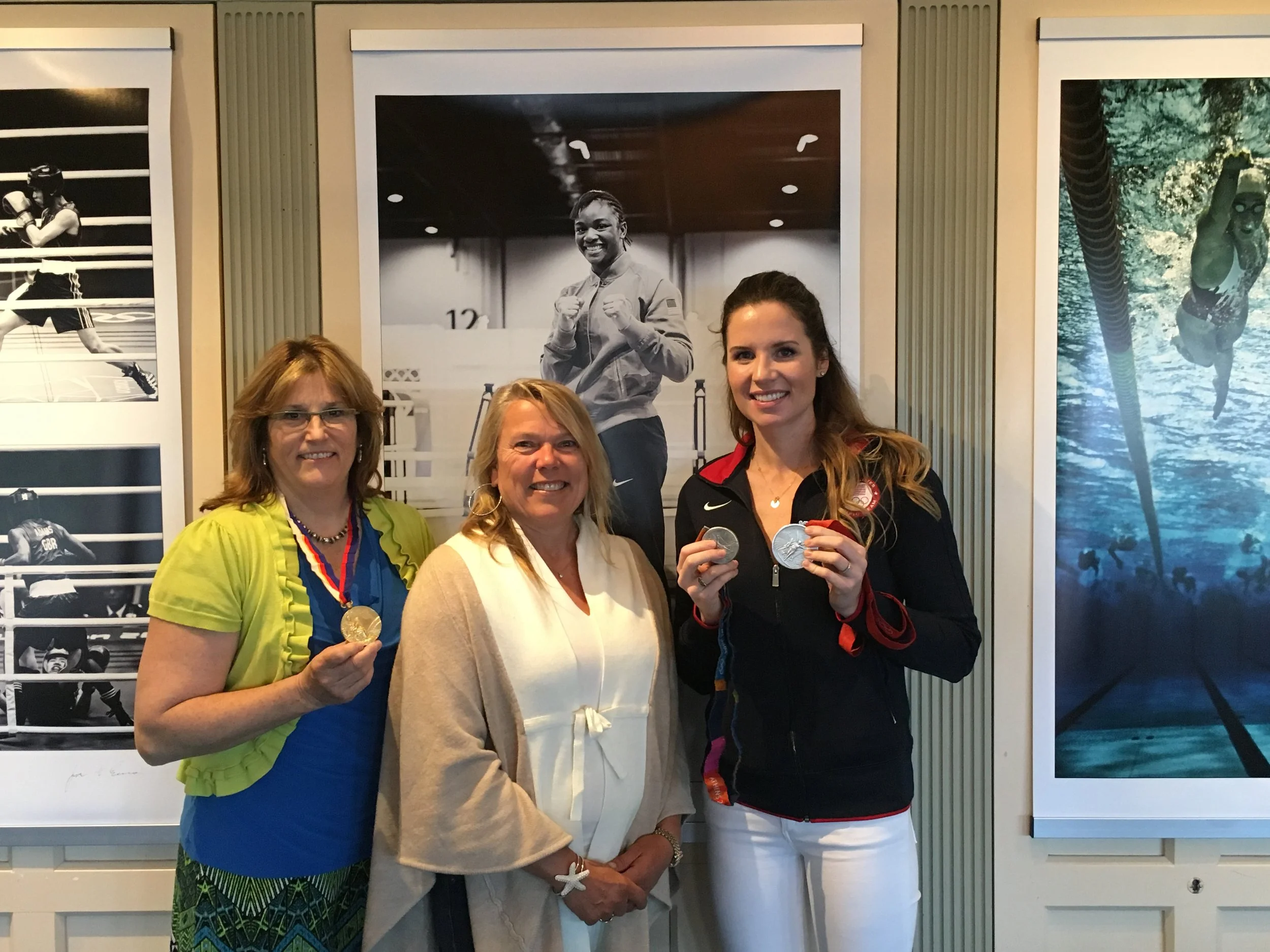
Companies showing up at the Olympics or Paralympics would come to us wanting a VIP talent who actually competed in that sport — someone who could host a social hour before the swimming finals, or run a fireside chat with their medals on the table, talking about what the ready room actually feels like, or what it's really like trying to balance living in the Olympic Village with four years of training riding on one race. Business executives eat that stuff up, and for good reason — it's a story and a level of insight you can't manufacture or get anywhere else.
And the ripple effect was the best part of all: brands who had a great experience with one of our legacy athletes would turn around and ask, "who's the next up-and-comer we should be backing?" A huge amount of our active-roster relationships started exactly that way — built on trust our retired clients had already earned for us, long before a younger athlete ever walked into the room.
Why This Matters Even More Right Now
That lesson hasn't gone anywhere — if anything, it matters more today than it did when we were starting out. As we get closer to LA28, demand for retired Olympic and Paralympic "icons" — for corporate hospitality, speaking engagements, and brand partnership appearances — is climbing, and it's not slowing down. Companies want access to that experience and credibility, and they want it now, well before the Games themselves ever start.
That's a huge part of why building a genuinely diverse roster matters so much to us: the more range we have across sports, eras, and regions, the better we can actually serve what the market is asking for, instead of having to turn down opportunities because we don't have the right fit on our roster.
Regional ties matter here more than people often realize, too. Companies headquartered in a given city very frequently want an Olympian or Paralympian who has a real connection to that city — not just a recognizable name attached for the sake of star power. Having clients rooted in different parts of the country means we can actually say yes to those asks, instead of reaching for someone who's never set foot in the city a brand calls home.
The Blueprint Still Holds
Almost everything we do now as an agency — who we sign, how we think about balance across our roster, how we build long-term relationships with brands — traces back to that early lesson: legacy and legends clients aren't a side business. They're often the reason the door opens for everyone else on our roster, including the next generation of active athletes we haven't signed yet.
It's the same thinking behind every legacy signing we make today, and it's exactly why building out that side of our roster continues to be one of our top priorities heading into LA28.